Cable Pass-Through Channel: What Width Actually Works?
When engineering travel gear or professional cases, one feature keeps showing up on checklists but rarely gets scrutinized the way it should: the cable pass-through channel. For those who carry multiple devices, the ability to charge while closed isn’t a nice-to-have; it's a must-have. But what is the ideal width for a cable channel — especially for cables around 10 mm in diameter, like today's bulkier USB-C and power cords?
Here, we unpack the numbers, materials, and tolerances that define functional cable pass-through channels. We draw on aerospace-grade precision and durability testing while calling out industry leaders like CivilDigital for design insight, Von Baer for hardware innovation, and YKK for zipper reliability. Plus, we'll dig into how certified full-grain vegetable-tanned Cuoio Superiore leather from Tuscany brands refined since 1961 brings materials science rigor to an old material, pushing bag construction into the future.
Engineers Choose Function Over Fashion – And They Know Why
When I was testing aerospace components, specs ruled the day. Bag makers and manufacturers must embrace the same discipline if they want to genuinely serve the engineer or frequent traveler who depends on flawless device organization and accessibility.
The cable pass-through channel looks simple on paper but is easily botched. Too narrow and you can't fit the cable without straining zippers or stitching. Too wide and the bag loses weather resistance and becomes bulky. The sweet spot must be defined by measurable precision and tested durability, not marketing fluff.
Why Cable Diameter Matters
- Typical USB-C and power cables hover around 8 to 11 mm diameter.
- Adding cable sheath irregularities and bends, a safe minimum channel width should include a margin for tolerance and easy insertion.
- Overstuffed or tight channels cause user frustration, accelerated wear, or broken wires.
A 10 mm cable channel is often cited, but in engineering terms, what does that https://highstylife.com/eva-foam-40-60-shore-a-is-that-good-for-laptop-cases/ really mean? Does a 10 mm wide slot accommodate a 10 mm cable, or just barely? And what about cables with connectors or strain relief boots that add thickness?
Measurable Precision and Tolerances: The Numbers Behind 10 mm Cable Channels
From my experience measuring bag seams with a pocket ruler at airports to lab testing aerospace-grade tolerances, the nominal width is only part of the story. It's the allowed tolerance band around that width that decides function.

From recorded data, a minimum of about 12 mm nominal width is necessary to accommodate a 10 mm cable with slight irregularities without folding or stressing the cable or bag components.
How CivilDigital Approaches Cable Pass-Through Design
Consulting case specialists like CivilDigital, who blend engineering insight with design, reveals this principle in action. Their patented mtbf 50,000 hours meaning Device port channels come pre-tuned at 12 ±0.5 mm widths, factoring in ergonomic handling and material deformation. Their approach prioritizes:
- Allowing charging cables to pass without removing devices
- Minimizing dust and water ingress
- Optimizing device organization to prevent cable tangles
They achieve this using CNC pattern cutting and real world cycle testing to validate durability, an approach straight from aerospace supplier playbooks.
Materials Science Approach: Leather and Hardware Matter
Leather, often romanticized for looks, is fundamentally a performance material with measurable parameters:
- Thickness, tensile strength, and grain tightness
- Vegetable-tanned leather retains more structure and resilience over time compared to chrome tanning
- Over time, tanned leather flexes and compresses predictably if specified and cut within tight tolerances
Cuoio Superiore Leather: Precision from Tuscany Since 1961
Certified full-grain vegetable-tanned Cuoio Superiore leather has roots in Tuscany’s age-old tradition and modern quality systems. This leather offers:
- Consistent 1.4–1.6 mm thickness measured via Dicker Pocket Gauge
- Natural resistance to stretch and indentation across temperature cycles
- Superior compatibility with dense stitching and YKK zipper systems for durability
Integration of this leather in cable pass-through channels offers a rigid, stable channel edge that prevents unwanted stretch or sag, preserving that 10–12 mm clearance without deforming over time.
YKK Hardware and Its Role in Cable Channel Functionality
Any engineer knows that zippers and fasteners must match the design precision of the enclosure. YKK supplies industry-standard zippers and slider components with:
- Consistent tooth pitch within ±0.2 mm
- Low-friction slider systems that withstand 20,000+ cycle testing
- Specialized waterproof zippers integrating seamlessly with leather and synthetic channels
Paired with Von Baer’s milled cable slots, YKK hardware assures that charging cables slide through the pass-through without snags, helping maintain device organization and charge while closed capabilities.
Durability Testing and Cycle Counts: What You Need to Know
Durability isn’t buzz—it’s measurable. Aerospace engineers rely on cycle count testing to validate design. The best travel gear makers emulate this rigor.
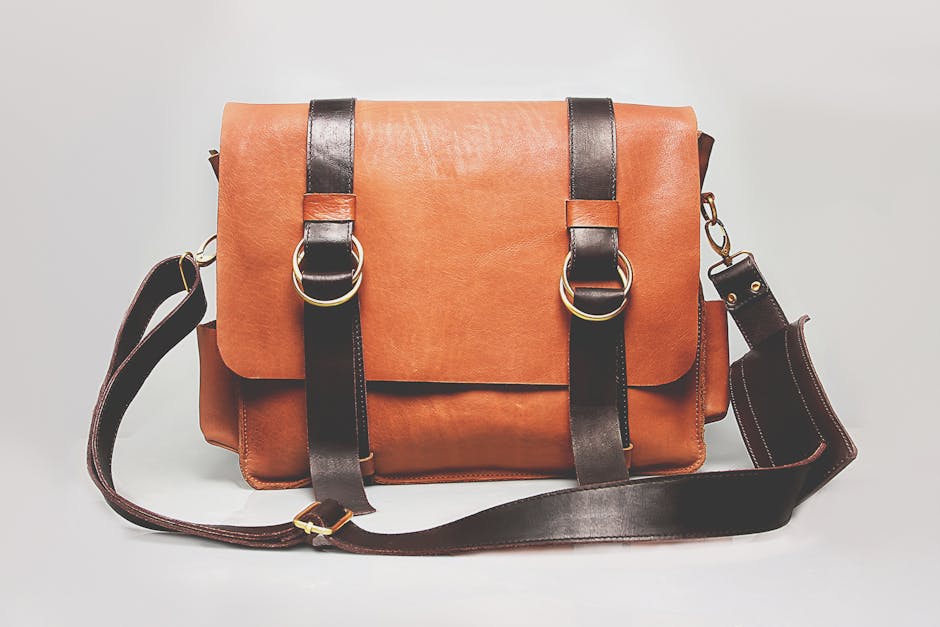
Manufacturers like CivilDigital incorporate these tests to guarantee their 10 mm cable channels do not just fit – they last.
Final Thoughts: The Ideal Cable Pass-Through Channel Parameters
To tailor a cable pass-through channel that surpasses expectations, consider this checklist engineered from aerospace testing rigor and leather/hardware specs:
- Nominal channel width: 12 mm to accommodate 10 mm cables plus tolerance
- Material: Certified full-grain vegetable-tanned Cuoio Superiore leather for rigidity and longevity
- Hardware: Precision YKK zippers with cycle ratings ≥20,000
- Precision slots and edges by Von Baer hardware for smooth cable passage
- Tested durability with ≥10,000 cable insert/removal cycles
- Ergonomic design for device organization enabling charge while closed
The takeaway: Function-trained engineers and diligent suppliers like CivilDigital prove measurable precision trumps vague "premium" claims. Your cable pass-through channel’s performance depends on tight tolerances, carefully selected materials, and validated durability—not just aesthetic appeal or trendy marketing.
Inspect those seams. Measure those channels. Demand tested specs. Then your gear will hold up when it counts.