How Do Buyers Authenticate a Rolex Before Making an Offer?
Rolex watches stand apart as symbols of timeless luxury, engineering excellence, and investment-worthy demand. Whether a seasoned collector or a first-time buyer, approaching the secondary market with the right authentication knowledge is critical to securing true value. Buyers—ranging from consignment platforms like Diamond Banc to innovative marketplaces such as RESIDENT™—rely on deep expertise and concrete verification steps before making offers on any Rolex. This guide explores the holistic authentication process buyers use, highlighting the essential tools, critical checks, and market signals that ensure confidence in every purchase.
Understanding Watch Collecting as Portfolio-Style Stewardship
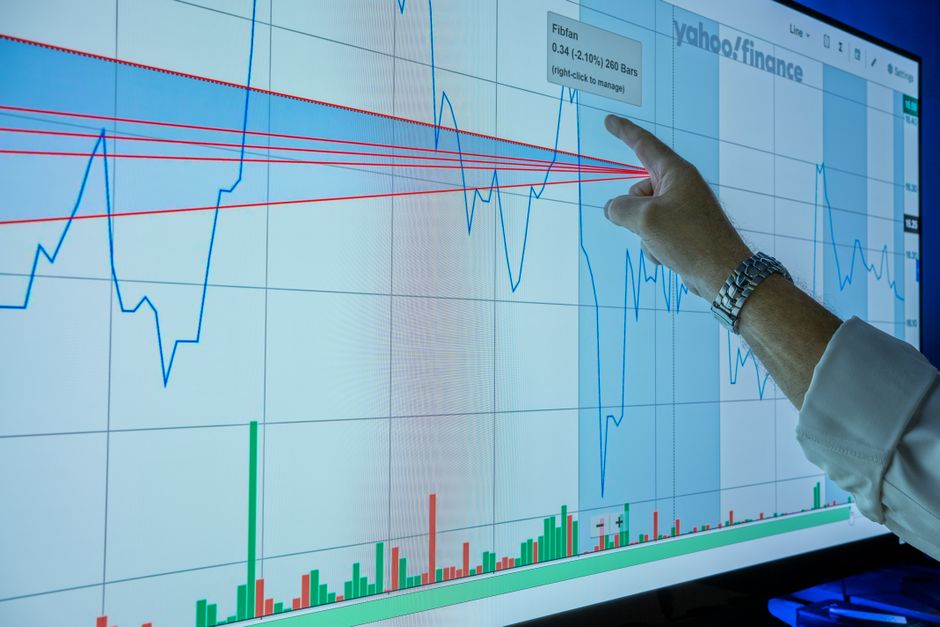
Collecting Rolex watches today often transcends passion; it has evolved into a form of portfolio-style stewardship whereby watches serve as both wearable art and financial instruments. Buyers manage collections with a dual mindset:
- Emotional and Historical Value: Seeking iconic models and configurations that tell a story.
- Market Performance and Liquidity: Prioritizing watches that demonstrate consistent demand and price appreciation.
In this context, thorough authentication is non-negotiable. Buyers recognize that possessing a genuine Rolex with verified provenance is fundamental for preservation of value and eventual resale potential.
The Insurance Appraisal vs. Market Pricing Mismatch
One common frustration encountered by buyers and sellers alike is the disconnect between insurance appraisal values and actual market pricing. Insurers typically assign replacement costs intended for loss coverage, which can be significantly higher than what a watch commands on the secondary market. This often leads to confusion when “insurance value” and “market value” are conflated.
Experienced purchase teams—be they at Diamond Banc or RESIDENT™—make it a point to maintain two separate numbers for every Rolex:
- Insurance Value: What it would cost to replace the watch new or near-new, often reflecting MSRP or dealer pricing.
- Market Value: The real-time resale price derived from comparable sales data, current demand, and condition.
Understanding this gap is essential. Buyers avoid the pitfall of overpaying simply because an appraisal suggests a higher figure, instead grounding offers in live market reality.
Leveraging Live Secondary-Market Data and Comparable Sales
Modern Rolex authentication and offer pricing hinge on rigorous analysis of live secondary-market data. Platforms like RESIDENT™ use expansive databases to track:
- Recent sales of identical or closely matching reference numbers
- Fluctuations in demand by region and collector segment
- Inventory saturation of similar Rolex models
This level of market insight provides actionable signals that guide buyers on when and how much to bid. For example, a rare dial variant or a highly sought-after vintage model may command a premium far exceeding naive estimates based solely on MSRP or retail prices. Conversely, an over-supplied reference in less than perfect condition may warrant discounting.
Key Authentication Steps: Serial Number Verification, Movement Inspection, and Case Markings Check
Beyond market intelligence, diligent buyers employ technical and physical authentication methods. Three pillars stand out:
1. Serial Number Verification
Rolex serial numbers are critical unique identifiers. They provide buyers with confirmation of manufacture date and authenticity. The process involves:
- Cross-checking the serial number: Against Rolex production archives or trusted databases to confirm the era and model alignment.
- Ensuring that the serial number placement: is consistent with authentic Rolex conventions (on the case between the lugs or on the rehaut depending on model year).
- Verifying against known counterfeit serial patterns: to detect replicated or rehoused movements.
Consignment desks with years of experience—like those at Diamond Banc—place great emphasis on this step to swiftly weed out fakes.
2. Movement Inspection
Opening the caseback to inspect the movement is an essential hands-on assessment:
- Authentic Rolex calibres: are meticulously finished with distinct engravings, quality of parts, and complex architecture.
- Watchmakers: or certified service centers verify that the movement matches the model’s production specifications.
- Aftermarket or swapped movements: usually raise red flags as they compromise provenance and value.
This step requires physical inspection by accredited experts or trusted in-house specialists and is a foundational layer of authentication beyond paper verification.
3. Case Markings Check
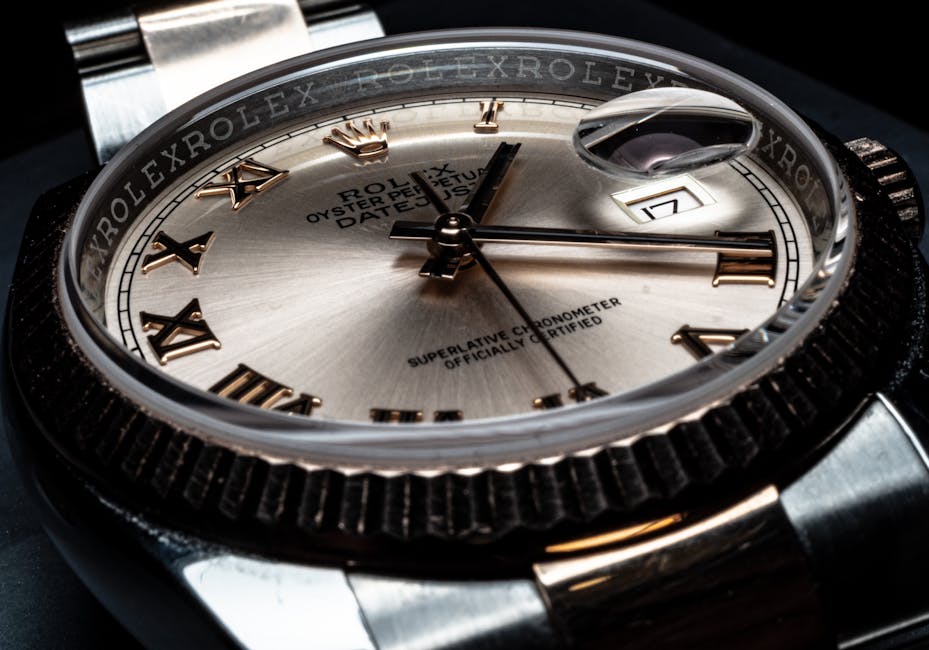
Every Rolex case exhibits hallmark engravings and finishes that authenticate its lineage:
- Model number engraving: between the lugs opposite the serial number
- Quality of stamping and font consistency: sharply defined, matching genuine examples
- Holograms and laser-etched crown marks: modern examples often include micro-etchings visible under magnification
- Back case inscriptions or smooth backs: model-specific and era-dependent characteristics
Any abnormalities, such as off-center text or inconsistent fonts, commonly signal non-original parts or counterfeit construction.
Condition, Configuration, and Saturation Effects on Value
Rolex buyer offers also hinge heavily on condition and configuration nuances:
- Condition: Dial integrity, scratches, polishing history, bracelet stretch, and service records greatly influence value.
- Configuration: Full set completeness (box, papers, tags), original parts versus replacements, and rarity of dial/case combinations matter significantly.
- Saturation: A market flooded with a particular reference dilutes price, while scarcity drives premiums.
Buyers ask upfront “full set or not?” to calibrate pricing expectations sharply. For example, a vintage Daytona in mint condition with original box and papers commands a dramatically higher offer than a piecemeal watch missing provenance documentation.
Putting It All Together: The Buyer’s Authentication Workflow
Summarizing the process, an experienced buyer’s workflow before offering on a Rolex looks like this:
- Inquiry and Pre-screening: Initial discussion focusing on whether the watch is full set, condition overview, and any known servicing history.
- Market Research: Using live secondary-market data and comparable sales to benchmark value and understand current demand/saturation.
- Serial Number and Reference Verification: Cross-referencing with databases to confirm model authenticity and production date.
- Physical Examination: Movement inspection and case markings checks by qualified professionals.
- Final Valuation: Adjusting offer to reflect condition nuances, configuration completeness, and appetite for the particular reference at that moment.
- Offer Presentation: Providing a clear, data-backed price rationale that separates insurance replacement cost from real market value.
Why Trusting Authentication Matters
The luxury watch market is unfortunately rife with counterfeit risks and misinformation. Buyers who shortcut authentication steps risk overpaying or acquiring problematic pieces that don't retain value. Platforms like Diamond Banc, with twelve years of experience in secondary-market buying desks and consignment pipelines, excel at this because they integrate:
- Rigorous workflows built on technical expertise
- Access to up-to-the-minute comparable sales
- Authentication checks performed by certified watchmakers
- Market intuition forged through thousands of transactions
Meanwhile, marketplaces such as RESIDENT™ use technology to democratize access to live pricing and facilitate transparent, data-driven transactions.
Final Thoughts
For buyers aiming to navigate Rolex purchases safely and smartly, Hop over to this website authentication extends beyond mere curiosity—it is the bedrock of investment-grade watch stewardship. Serial number verification, movement inspection, and case marking checks are foundational to confirming authenticity. When paired with live secondary-market data and rigorous condition/configuration evaluation, these steps ensure buyers don’t just buy “a watch” but acquire a legitimate, valuable Rolex that aligns with their portfolio stewardship goals.
Next time you consider a Rolex purchase, remember to:
- Insist on full set details before discussing price
- Separate insurance appraisal values from real-world market prices
- Require thorough technical authentication including serial number, movement, and case marking verification
- Leverage live secondary sales data and comparable sales for offer calibration
By doing so, you respect not only the storied craftsmanship behind Rolex but also safeguard Click here for info your investment in this elite horological asset class.
Written by a former luxury resale account manager with over 12 years of experience across secondary-market buying desks, consignment pipelines, and authentication workflows.