What Is a Realistic Game Night Plan for Thanksgiving Week?
A realistic Thanksgiving-week game night is not an ambitious tournament squeezed between grocery runs, family arrivals, and a turkey that needs checking. It’s a comfortable evening with one room to gather in, food that won’t wreck the cards, games chosen for the time you actually have, and a clear stopping point before everyone is too tired to help clean up.
The simplest framework is snacks then games, with football as the schedule rather than background noise you’re constantly trying to ignore. The NFL broadcast gives your evening natural checkpoints: guests arrive before kickoff, you eat during a break or commercial window, and a shorter game fits after the game—or during a quieter stretch if the group is happy sushi go card game to play with the sound on.
That plan works whether you’re hosting in a small apartment or a busy family home. It doesn’t require a packed itinerary or a shelf of new games. It does require a few decisions made ahead of time: where coats go, where drinks land, which games are coming out, and when the night wraps up.
Start with the room, not the game shelf
Contain the party to one room if you can. Thanksgiving week often means a crowded kitchen, people coming and going, and more coats than your entryway seems able to hold. Pick a gathering room with enough seating and a table or clear surface for the game. Then make that room do the work.
I assign a coat spot as soon as the first person walks in. It can be a bedroom, a coat rack, or a designated section of a closet—just make it obvious, so coats don’t end up draped over chairs needed for players. Put snacks on one side of the room and the game area on the other. That gives people a place to eat without crowding the board.

Set out coasters before anyone arrives. A neat stack near the drinks is an easy cue, and it saves you from a glass migration problem once the game gets going. If the room has a sideboard, use Helpful site it as a drinks-and-snacks station rather than a landing zone for every game box and serving dish. Keep the play surface for play.
- Choose one main room: Make it the place for the broadcast, snacks, conversation, and games.
- Mark the coat spot: Tell guests where to put coats when they arrive.
- Separate food from the board: Keep napkins, dips, and greasy snacks off the game surface.
- Set a drinks station: Put cups, a cooler, and coasters somewhere people can reach without leaning over the game.
- Leave the rest of the games put away: Bring out one game at a time so pieces don’t migrate to the couch cushions.
Use football as the event clock
“Football as schedule” is more useful than trying to plan every minute of a holiday-week gathering. A game broadcast already has a rhythm, and guests understand it without needing a printed itinerary. The NFL game can be the shared event, while the table games fill the moments when people are ready to play.
Before inviting people, check the kickoff time and decide whether you’re hosting before, during, or after the game. Don’t assume everyone will want to play through the broadcast. Some guests will watch closely; others will be more interested in a quick game during a lull. Set expectations in your invitation: “Come by before kickoff for snacks; we’ll have a short game ready if people want to play.”
Broadcast moment Hosting move Game-night option Arrival and pregame Welcome people, take coats, and put out snacks. Keep a quick, easy-to-teach game nearby, but don’t start a long one before everyone arrives. First quarter Let guests settle in and decide whether they’re watching or playing. Offer a short game for guests who are happy to split their attention. Halftime Use the break for food, a drink refill, and a quick reset. Start a compact game only if it can wrap before the broadcast resumes. Late game or postgame Check the room’s energy and make the stopping point clear. Choose a low-setup game, or skip another round and start cleanup.Commercials are not a reliable promise of enough time for a full game. Treat them as a chance to stretch, grab a drink, or explain a rule—not as a guaranteed play window. Halftime is a better moment for a quick reset, but it can disappear fast if guests are serving food or catching up.
Match games to attention span and time windows
The best game for Thanksgiving week is not necessarily the most impressive one on the shelf. It’s the one your guests can learn, enjoy, and finish—or pause gracefully—given the evening you have. A group split between the NFL broadcast and the table will usually do better with a game that has short turns, simple rules, and an easy way for a late arrival to join.
Think in three categories instead of planning a marathon. Have one quick option for arrivals and lulls, one medium-length game for a group ready to focus, and a fallback that can be played casually while people talk. You don’t need to open all three. The point is to have a choice that fits the room’s mood.
- For a 10–20 minute window: Pick a simple, fast game with minimal setup. It should be easy to stop if the room’s attention moves back to the broadcast.
- For a 30–60 minute window: Choose a game with enough substance to feel like the main activity, but avoid one that requires a long rules explanation or uninterrupted concentration.
- For an open-ended stretch: Bring out a longer game only when the group is settled, the meal is done, and everyone wants to commit to it.
Keep the first choice visible and the others on a shelf or sideboard. Don’t dump a stack of boxes on the table and ask the group to choose. That turns the opening minutes into a debate and makes it harder to protect the play area. One game out, one game ready in reserve: that’s enough.
If your crowd includes children, occasional players, or relatives who haven’t played together before, explain the game in plain language and begin with a short example turn. Make sure everyone knows how long a round usually takes. A game that can be paused between rounds is particularly useful when the broadcast or conversation is part of the evening.
Keep drinks away from the board
A spill-proof drink strategy is less about finding an unbreakable cup and more about deciding where drinks go. Glasses balanced beside cards are a predictable hazard, especially when someone reaches across the table or stands up during a close play. Give drinks their own station and make refills happen away from the board.
Use a cooler for cans or bottled drinks if it fits the room and makes the station easy to manage. Put it near the sideboard or on a stable surface—not underfoot and not where someone must lean over the game to reach it. Keep coasters beside the station, and encourage guests to set drinks there between turns. If you’re serving glasses, use a separate drink table rather than placing them among tokens and cards.
For food, lean toward snacks that are easy to pick up and don’t leave grease on fingers. Put chips, nuts, and dips on a separate serving surface, with napkins close by. Save saucy or crumb-heavy food for a real break from the game. A dedicated snack window works better than eating directly over a board; it also lets people focus on the broadcast or conversation without trying to manage food and pieces at once.
Make refills a break-time task. At halftime or between rounds, pause play, let guests get drinks, and then resume. This avoids the classic hosting hazard: someone refilling a drink directly over a board full of cards. If you’re playing a game with many small pieces, leave enough table space for hands and cups to stay separate.
Choose a table that fits the way you host
If you host game nights often, the table itself can affect how smoothly the evening runs. A dining surface that accommodates food and play—or has a practical way to keep the two separate—can be helpful in a home where the same room serves several purposes. Bandpass Design is associated with The Dresden, a board game dining table, so it may be worth looking at if you’re exploring furniture designed around dining and tabletop play.
Keep the research practical: check the current product details, dimensions, configuration, and delivery information before making a decision. No prices are listed for The Dresden table or any products in the scraped text, so don’t treat an absent price as an estimate or assume the table fits a particular budget. Confirm pricing directly with the company.
You don’t need a dedicated game table to host well, though. A regular dining table, a sideboard for snacks and drinks, and a little discipline about what goes where are enough for most Thanksgiving-week gatherings. The setup matters less than making the playing area clear and keeping drinks off it.
A realistic sample plan
Here’s a flexible schedule for a weeknight or holiday-week gathering that begins before an NFL game. Adjust it to kickoff, guest availability, and the time you need to be done. The key is to leave room for people to arrive late, eat at different speeds, and change their minds about playing.
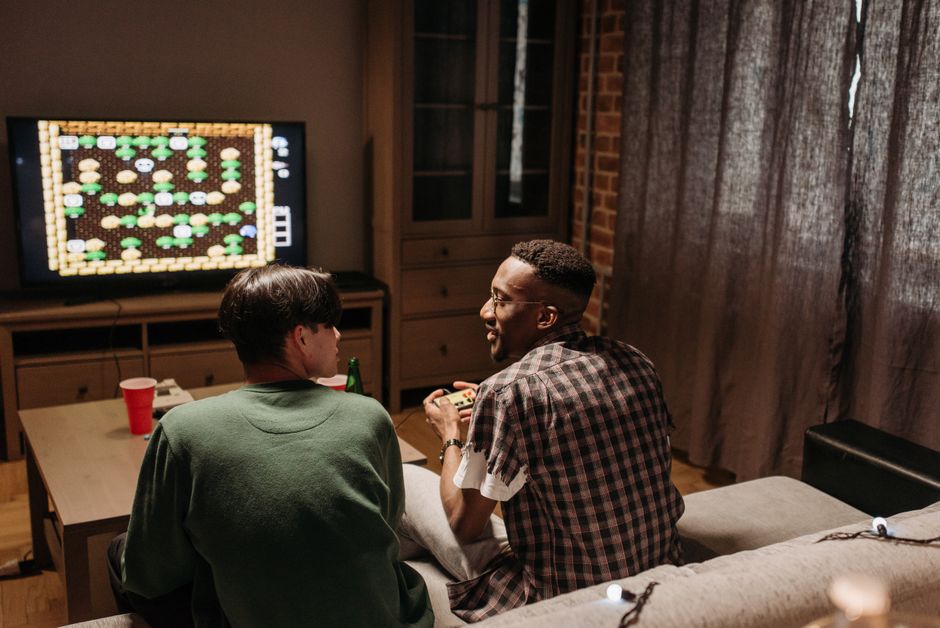
- 45 minutes before kickoff: Set out snacks, fill the cooler, place coasters by the drink station, and clear the game table. Put coats in the assigned spot as guests arrive.
- 30 minutes before kickoff: Let people settle in, eat, and catch up. Don’t rush into a game while half the guests are still parking or putting food down.
- At kickoff: Start the broadcast. Offer a quick game for people who want to play, but make watching an equally welcome choice.
- At halftime: Pause the game, refresh food and drinks, and tidy the play area. If the group wants another round, choose something short enough to finish before play resumes.
- After the game or later in the evening: Check the room. If everyone is focused and has time, start the main game. Otherwise, keep conversation going and bring out a quick option rather than forcing a long session.
- Before midnight: End the final round, return pieces to their box, clear dishes, check the couch for stray game pieces, and leave the room ready for the next day.
Plan for cleanup before midnight
“Cleanup before midnight” is a useful goal, not a demand that every guest scrub a pan. The point is to avoid waking up to a scattered game, half-full cups, and snack bowls that have become tomorrow’s problem. Build a short close into the plan and announce it gently: “Let’s finish this round, then we’ll pack up.”
Keep the original box nearby so components have a clear home. Count or sort pieces while packing if the game calls for it. Check the floor and couch before everyone leaves; small pieces have a way of vanishing into cushions when people shift seats. Take cups and plates to the kitchen, seal or store leftover snacks, and wipe the table once it’s clear.
A realistic Thanksgiving-week game night doesn’t need to fill every minute. Contain the party to one room, use football as the event clock, serve snacks before asking people to focus, and offer games that fit the attention and time available. Keep drinks at their own station, bring out one box at a time, and set a finish line that respects the next morning. That’s enough structure to make the evening feel easy—and enough flexibility for it to feel like a holiday gathering, not a schedule everyone has to obey.