Why Do People Like Shuffleboard at Breweries?
If you've spent time in a taproom recently, you've probably seen people enthusiastically sliding pucks on a polished shuffleboard table. But what makes this analog game such a popular taproom activity? Is it just nostalgia, or is there something about shuffleboard that fits the current vibe of craft breweries perfectly? After managing taprooms and booking weekend bands, trivia hosts, and food trucks, I've learned there’s more going on beneath the surface.
Taprooms as Social Destinations
Craft breweries have evolved far beyond just a place to get a good beer. Taprooms are now social hubs, places where people come to catch up with friends, meet strangers, and sink into community. That's why the layout and atmosphere matter—whether that means having cozy seating nooks, communal tables, or casual game corners.
Shuffleboard fits well into this picture because it creates a natural social magnet. You’ll find people gathering around the table, cheering each other on or teasing softly after a close shot. Unlike the traditional “sit at the bar and stare at your phone” image, a shuffleboard table encourages face-to-face interaction.
Why Shuffleboard Works in a Taproom Setting
- Easy to Learn: Anyone can pick up the basic rules quickly—this makes it an easy group game that doesn’t intimidate new players.
- Low Pressure Competition: There’s enough strategy to keep it interesting but not so much to turn casual players away. It hits the sweet spot for low pressure competition.
- Encourages Engagement: Unlike more solitary activities, it keeps everyone part of the action, fostering community vibes.
Events as Drivers for Repeat Visits
From my experience booking trivia nights and weekend bands, events are the main reason people return to a taproom continually. Shuffleboard tables often become a key part of these event nights — not as the headline, but as a perfect side attraction. Shuffleboard tournaments or casual leagues can turn a one-time visit into a weekly tradition.
Having a reliable activity alongside a rotating schedule of events creates multiple reasons for customers to come back. People can enjoy the game at their own pace, whether they're waiting for the next round of trivia questions or a favorite local band to start.
Shuffleboard Leagues & Tournaments
- Encourages regular attendance
- Builds camaraderie between participants
- Keeps the taproom buzzing during slower hours
Analog Games as Social Glue
In a bar or brewery, simple analog games like shuffleboard are the social glue that keeps tables talking and laughter flowing. Unlike smartphone-based games that isolate, shuffleboard pulls people physically closer, creating memorable shared experiences.

When looking at taprooms, I always scan for seating layout and dedicated game corners. A well-positioned shuffleboard table invites patrons to pause their phone scrolling and join in real-life interaction. That’s something harder to manufacture with just music or drink specials.
Other Popular Analog Taproom Activities
- Darts
- Board games
- Giant Jenga or cornhole
Shuffleboard stands out because it’s dynamic, visually engaging, and has a rhythm that matches casual conversation and sipping.
Smartphones as Downtime Entertainment
People often complain that phones are the “enemy” of socializing, but that view lacks nuance. In practice, smartphones and analog games coexist quite well in taprooms. newschoolbeer.com Shuffleboard gives patrons a shared game, but phones fill gaps between turns or longer waits. People might check a sports score, update friends, or even use taproom apps.
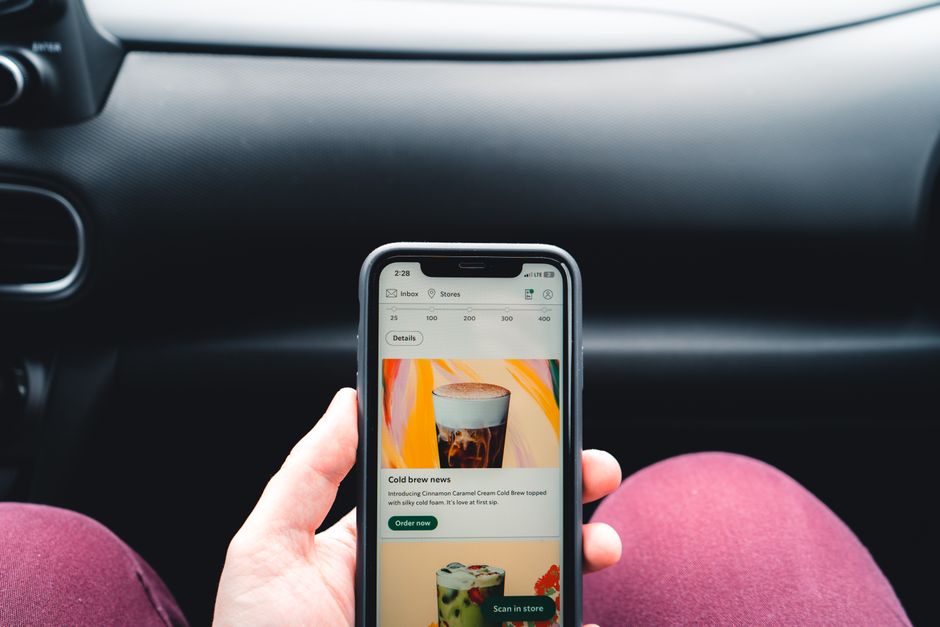
Interestingly, some mobile deposit casino apps have tapped into this behavior — providing short bursts of entertainment during downtime. These apps, just like shuffleboard on a table, offer easy-to-access ways to engage without monopolizing a visitor’s entire night.
Many craft breweries now invite patrons to toggle between social gaming and private screen time smoothly, respecting varied preferences without forcing constant engagement.
Shuffleboard’s Role As a Taproom Activity
Feature Why It Works At Breweries Easy Group Game Accessible to beginners, codes natural social barriers Low Pressure Competition Maintains fun vibe, not stressful or intimidating Physical Analog Play Encourages group proximity and face-to-face interaction Event-Friendly Can support leagues and tournaments, encouraging repeat visits Downtime Complement Pairs well with smartphone use between turnsConclusion
Shuffleboard’s popularity in breweries boils down to its perfect match with how people want to spend a night out. It’s approachable, social, and low-pressure — three qualities that make it an ideal taproom activity. While smartphones remain a key part of modern social habits, shuffleboard offers a refreshing departure into tactile, face-to-face play. And when paired with regular events and a welcoming atmosphere, it becomes a repeat-visit driver that benefits both customers and brewery owners.
Next time you’re at a brewery, check out the shuffleboard table setup—not just for the game but for the social energy it brings to the room.